How to Conduct a Rental Inspection

Appfolio Websites • December 19, 2020
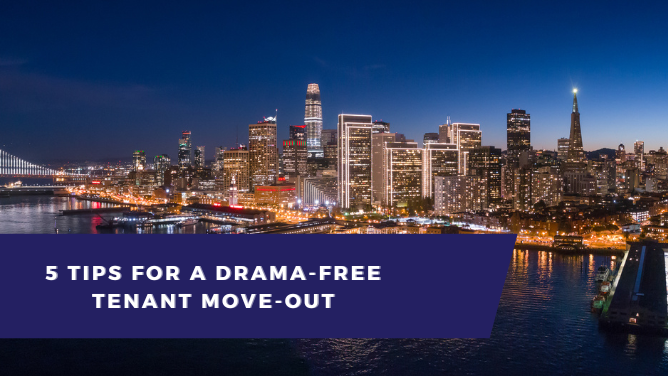
HOW TO CONDUCT A RENTAL INSPECTION  - Article Banner
Keeping your San Francisco rental property safe, habitable, and well-maintained is not only legally required – it’s good business. Residents are looking for homes that are attractive and comfortable. Peeling paint and broken elevators aren’t going to help you drive up rental values.

Depending on the age, condition, and location of your building, you may have to inspect it monthly, quarterly, or annually.

Are you wondering how to conduct a thorough inspection and what to look for?

We have some ideas.

Why Inspect Your San Francisco Rental Property? 


Whether you’re renting out a small apartment building with four units or a series of high rises downtown, keeping that investment compliant and in good condition impacts your bottom line. It also makes you a better landlord. 


1. Keep Safety and Security Systems Up to Code 

During any inspection, the first thing you want to check is that the building is safe and secure. Look at doors and windows and make sure they lock. Evaluate your exterior lighting and make sure there are no dark spots in parking lots or garages. Can tenants feel safe approaching and entering the building? 


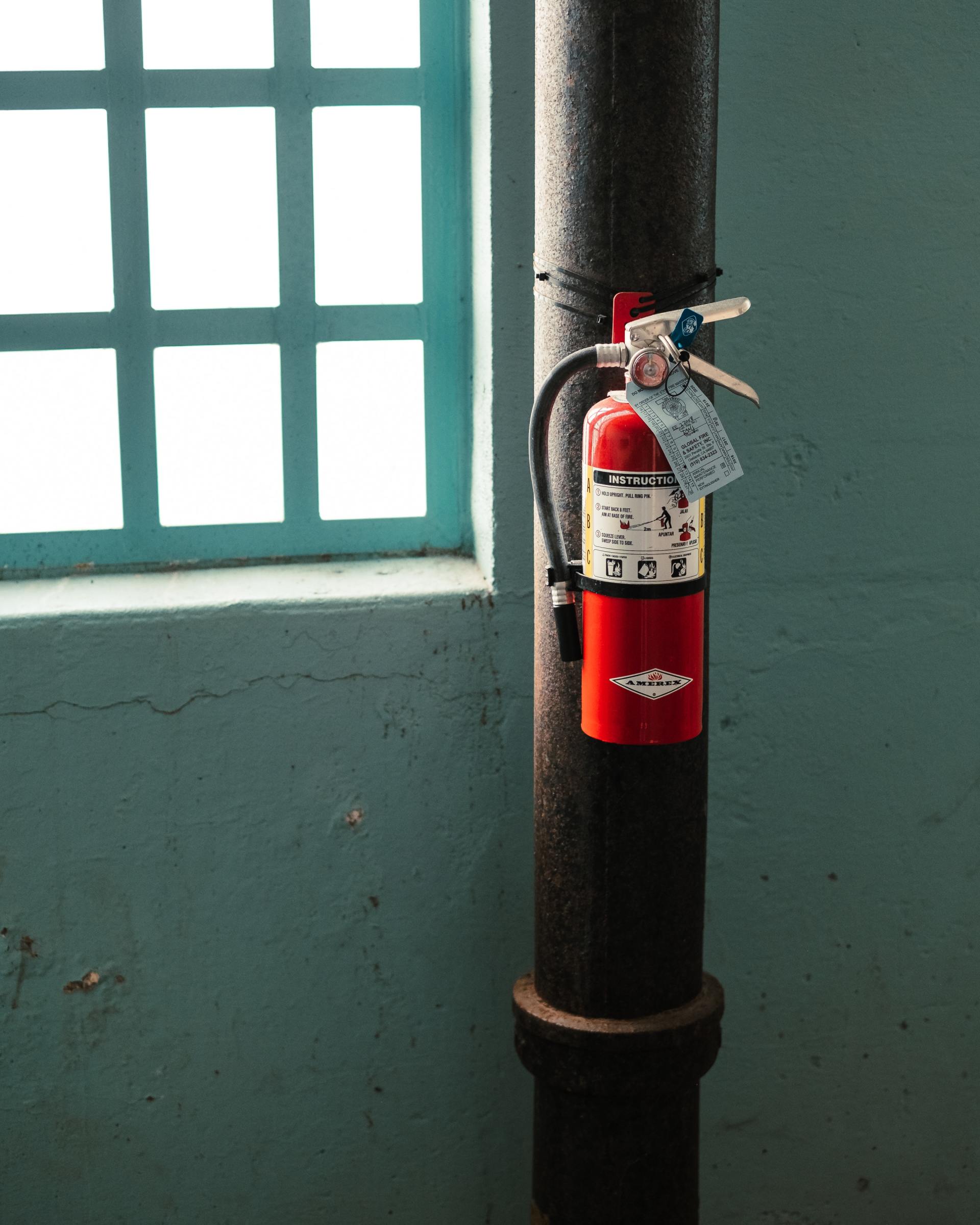
Test smoke detectors, carbon monoxide detectors, and fire extinguishers. Make sure emergency and evacuation instructions are clearly posted and easy to find. If there’s a gate or a security code, make sure it’s functioning and up to date. Walkthrough the entire building looking for safety issues such as loose handrails, trip and fall hazards, and any problems with walls, ceilings, and floors. Spend some time in the common areas and make sure residents are treating furniture and amenities properly. 

2. Look for Leaks and Electrical Issues 

Water is a big problem for properties. Protect your investment from leaks and drips by checking faucets, hoses, sprinkler systems, and gutters. Look for any signs of moisture, such as discoloration on the ceilings or soft spots in the walls. If tenants have recently requested water-related repairs, follow up to make sure there haven’t been any additional incidents. 


You’ll also want to make sure the electricity is working and safe. Look at the outlets and test the lights.


3. Proactive Preventative Maintenance Saves Money

An additional benefit to these routine inspections of your San Francisco rental property is that you can create a maintenance checklist and update your maintenance budget. When you put eyes on your property every month or every few months, you’ll know when you might need roof work or a lighting upgrade. You can plan for small repairs and major projects. Don’t wait for the water heaters to start rusting; put together a timeline for when they’ll be replaced, and a plan for how they’ll be maintained. 

Other preventative maintenance issues to pay attention to include: 


● Pest control 

● Servicing and inspecting the HVAC system 

● Pool or spa care 

● Landscaping 

THE BANCAL PROPERTY MANAGEMENT INSPECTION PROCESS 

At BanCal Property Management, we conduct monthly visits and inspections to ensure the property is compliant, safe, and habitable. We also make any recommendations on necessary maintenance to our owners, investors, and HOA boards


You can expect us to ensure all units are rent-ready after an efficient turnover process. We’ll check building systems and make sure everything is up to date and compliant with all local and state codes. We look at fire alarms, elevators, sprinklers, HVAC units, fans, and we check emergency generators. 


All of your annual and seasonal maintenance needs are documented and scheduled, which helps us stay organized with preventative maintenance and building certification requirements. We’ll also manage all security systems, preventing any additional liability and risk for owners and associations. 


Contact us at BanCal Property Management with any questions you may have about property inspections and why they matter to San Francisco rental properties.

February 26, 2026
California landlords have a new compliance deadline on the horizon. Beginning January 1, 2026, AB 628 changes the state’s definition of “habitability” to include working stoves and refrigerators in rental units. That means landlords will soon be required to provide and maintain both appliances, not just for new tenants but also for many existing residents once a lease is renewed, extended, or amended. At first glance, this new requirement might seem straightforward, but it can quickly become a compliance trap if you are not prepared ahead of renewal season. As a property management partner that helps owners navigate California’s evolving rental laws, we have broken down what AB 628 requires and how landlords can prepare now to stay compliant in 2026.
February 26, 2026
SB 610, effective in 2025, establishes new requirements for California landlords on how to handle rent obligations, habitability, and tenant protections when a rental unit is damaged or becomes uninhabitable after a declared natural disaster. Below, we break down what this legislation means in practical terms and how landlords can stay compliant while protecting their assets.
BanCal-Properties
By Marketing BanCal February 23, 2026
BanCal Properties has provided landlords with a guide to tax season.
BanCal-Properties
By Marketing BanCal February 23, 2026
BanCal Properties has provided landlords with a guide to being a long-distance landlord.
More Posts

Get your free rental pricing analysis today.