
Guide to Making a Solid Lease Agreement For Your Rental Property
Key Takeaways
- A strong lease is essential in the Bay Area. With complex state and local rental laws, a well-written lease helps ensure compliance, reduce legal risk, and protect both owners and residents.
- Clarity prevents conflict. Most disputes arise from vague or missing lease terms. Clear language around rent, responsibilities, maintenance, and occupancy minimizes misunderstandings and protects your investment.
- Local compliance matters. Bay Area cities have unique regulations around rent control, disclosures, and lease changes. A solid lease must reflect both California law and city-specific requirements.
- A well-structured lease supports smooth operations. From move-in to move-out, a strong lease creates predictability, simplifies enforcement, and helps your rental property run efficiently.
A lease agreement sets expectations, protects your investment, and provides a clear framework for how the rental relationship will work from move-in to move-out. In the Bay Area, where rental laws are detailed and tenant protections are strong, having a solid, well-structured lease agreement is not optional. It is essential.
A vague or outdated lease can lead to misunderstandings, disputes, lost income, and legal exposure. On the other hand, a carefully written lease agreement creates clarity, reduces risk, and helps ensure your rental property operates smoothly.
Keep on reading this blog by
BanCal Properties
to learn more about how to make a solid lease agreement.
Why a Strong Lease Agreement Matters in the Bay Area
The Bay Area has some of the most complex rental regulations in California. Cities like San Francisco, Oakland, Berkeley, and San Jose have local ordinances that go beyond state law. Rent control rules, just cause eviction requirements, security deposit handling, and disclosure obligations vary by city.
A strong lease agreement helps align your rental terms with both California law and applicable local regulations. It also gives both the owner and the resident a clear reference point when questions arise. When expectations are documented clearly, disputes are easier to resolve and misunderstandings are far less common.
Most conflicts between property owners and residents stem from unclear terms rather than bad intentions. A solid lease reduces those gray areas by clearly defining responsibilities, timelines, and boundaries.
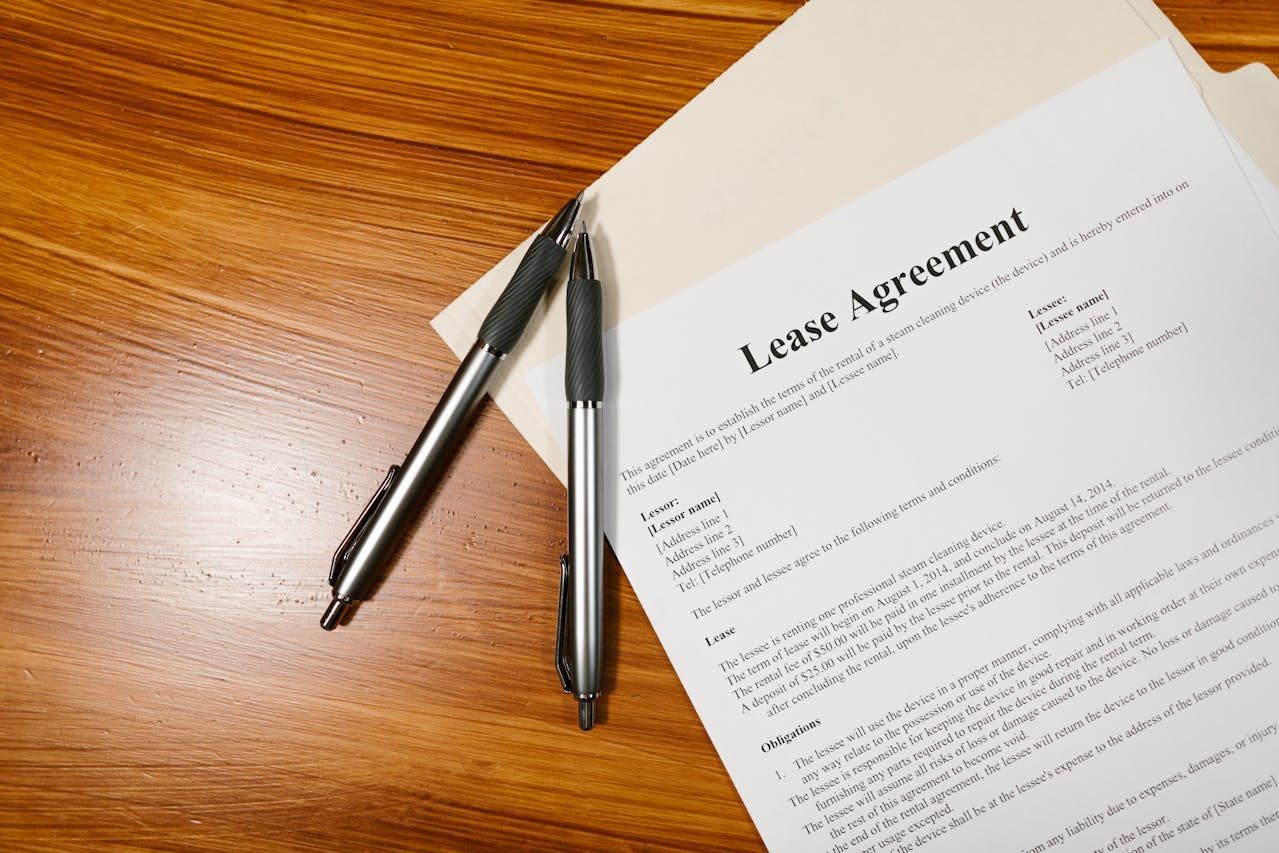
Understanding the Purpose of a Lease Agreement
A lease agreement is more than a formality. It is a legally binding contract that outlines the rights and obligations of both parties. It explains how long the resident may occupy the property, how much rent is owed, when it is due, and what happens if terms are not met.
A lease agreement also establishes standards for property care, rules for use, policies on maintenance, and procedures for ending the tenancy. In the Bay Area, a well-written lease also reflects local compliance requirements that protect both sides.
A strong lease does not favor one party unfairly. Instead, it creates balance and predictability, which benefits everyone involved.
Essential Components of a Solid Lease Agreement
Every effective lease agreement includes several foundational elements. These components provide structure and clarity and should be written in plain, understandable language.
- All Parties Involved: This includes the legal name of the property owner or managing entity and the full legal names of all adult residents. Nicknames or informal identifiers should be avoided to prevent confusion later.
- Rental Property Address: The address must be stated precisely, including unit numbers when applicable. In multi-unit properties common throughout the Bay Area, this detail is critical.
- Lease Term: Whether it is a fixed-term lease or a month-to-month arrangement, the start date and terms of continuation must be clearly explained. In many Bay Area cities, local rules impact how and when lease terms may change, making clarity especially important.
- Rent Details: The lease must state the rent amount, due date, acceptable payment methods, and any applicable late fees that comply with California law and local regulations. Vague language around rent
collection often leads to disputes.

Security Deposits and Legal Compliance
Security deposit terms are an area where mistakes can be costly. California law limits how much can be collected and how deposits may be used. In addition, local Bay Area rules may impose additional requirements or timelines.
A solid lease explains the security deposit amount, what it may be used for, and how it will be handled at move-out. It should clearly outline the process for deductions and return timelines. Transparency here helps avoid disputes and ensures compliance with strict regulations.
Clear language around what constitutes
normal wear and tear versus damage is especially important. Many disagreements stem from differing interpretations of this distinction.
Maintenance Responsibilities and Property Care
One of the most valuable functions of a lease agreement is defining who is responsible for what. The lease should explain the owner’s responsibility to maintain habitability and the resident’s responsibility to care for the property.
Maintenance reporting procedures should be clearly stated. Residents should know how and when to submit maintenance requests and what qualifies as an emergency. This clarity helps protect the property and ensures issues are addressed promptly.
The lease should also
outline expectations around cleanliness, minor upkeep, and prohibited alterations. In older Bay Area properties, unauthorized changes can lead tocostly renovations or compliance issues.
Rules, Use of Property, and Occupancy Limits
A lease agreement should clearly define how the property may be used. Residential use should be specified, along with any restrictions on business activity, subletting, or short-term rentals.

Occupancy limits are particularly important in the Bay Area, where overcrowding can create safety and compliance issues. The lease should clearly state who is allowed to live in the unit and under what conditions guests may stay.
Rules around noise, shared spaces, parking, and waste disposal help maintain harmony, especially in multi-family properties common throughout the region. Clear rules reduce complaints and protect community relationships.
Disclosures Required for Bay Area Rentals
California law requires specific disclosures, and many Bay Area cities require additional ones. These may include information about lead-based paint, mold awareness, bed bug disclosures, and local rent control notices.
A solid lease integrates these disclosures properly rather than treating them as afterthoughts. Failure to provide required disclosures can weaken lease enforcement and create legal exposure.
Because disclosure requirements can change, especially at the local level, lease language should be reviewed regularly to ensure it remains current and enforceable.
Rent Adjustments and Lease Changes
In rent-controlled areas of the Bay Area, rent increases and lease changes are tightly regulated. A strong lease agreement explains how rent adjustments will be handled in compliance with applicable laws.
This section should outline notice requirements and limitations rather than promising flexibility that may not be legally allowed. Clear, lawful language protects the property owner while ensuring residents understand their rights.
Avoid vague clauses that suggest rent or terms can change at any time. In regulated markets, this can lead to serious issues.
Final Thoughts
A solid lease agreement is the foundation of a successful rental property. A strong lease protects your income, your property, and your time.
If you want peace of mind knowing your Bay Area lease agreements are compliant, enforceable, and tailored to local regulations,Bancal Properties’ professional property management team can handle the details so your rental operates smoothly and with confidence.
Author - Tammy McNaught