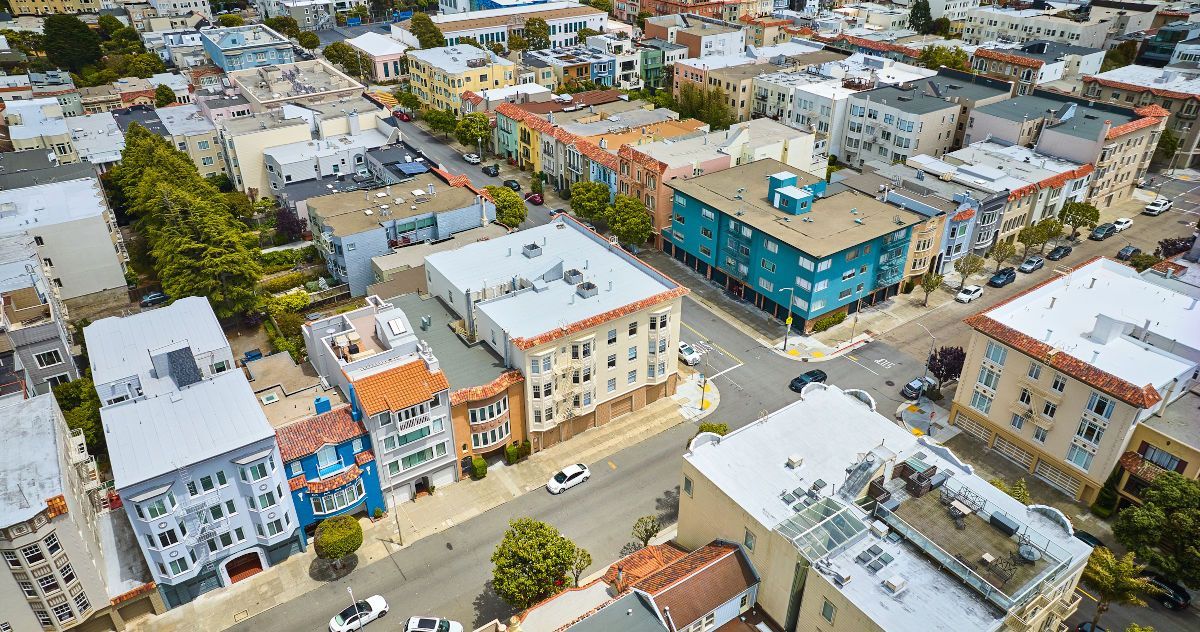
What determines the market for leasing?
The leasing world can be a complex environment, influenced by many factors that ultimately determine rental rates. As a property owner, landlord, or real estate professional, it is crucial to understand the leasing market's drivers deeply. Each factor plays a significant role in shaping the leasing market dynamics, from the location of a property and market demand to economic conditions and property features. Here are some factors that play a significant role in shaping the leasing market dynamics.

Location, Location, Location:
Location plays a vital role in determining rental rates, as various factors influence the market value of a rental property. Proximity to amenities, transportation options, schools, and employment hubs all contribute to the desirability of a location. For instance, a rental property situated in a vibrant neighborhood with top-notch schools, convenient transportation access, and promising job opportunities will likely command higher rental prices. On the other hand, properties in less desirable or remote areas may experience lower rental rates due to limited amenities and fewer conveniences. By understanding these dynamics, landlords and property owners can make informed decisions about their rental pricing strategies.
Market Demand and Supply:
The interplay between market demand and supply is a crucial determinant of the leasing market. When demand surpasses the available supply of rental properties, landlords have the advantage, allowing them to set higher rental prices. Market demand can be influenced by population growth, economic conditions, and shifting lifestyle preferences. Staying informed about market dynamics enables landlords and tenants to make informed decisions during rental rate negotiations. Individuals can make informed decisions during rental rate negotiations by staying informed about the interplay between market demand and supply. To learn more about what San Francisco tenants look for in crafting the perfect rental listing, check out this blog post.
Economic Conditions:
Economic factors significantly shape the leasing market. The overall financial health of an area, including inflation rates, interest rates, and job market conditions, can impact rental prices. During economic growth and stability periods, there is typically increased demand for rental properties as more people enter the workforce and seek housing options. Conversely, economic downturns may reduce demand as individuals face financial hardships and seek more affordable accommodations. Understanding the economic climate and its potential impact on the leasing market enables informed decision-making for landlords and tenants.
Property Features and Amenities:
The quality and features of a rental property play a significant role in determining its market value. Well-maintained properties that offer desirable amenities have a higher potential to command higher rental rates. For instance, tenants often seek the convenience of in-unit laundry facilities, upgraded appliances, ample parking availability, and access to shared spaces such as gyms or pools, and they are even willing to pay a premium for these features. Landlords should consider investing in property upgrades and amenities to enhance their rental properties' appeal and justify higher rental prices. When landlords invest in strategic upgrades and amenities, it attracts a larger pool of tenants and provides them with a more satisfactory living experience.
Local Regulations and Competition:
Understanding the local regulations and market dynamics is essential for landlords. Rent control policies, restrictions on rent increases, and tenant protection laws vary across regions and significantly impact rental rates. By comprehending these regulations, landlords can ensure they comply with legal requirements and avoid potential penalties or disputes. Furthermore, market competition plays a crucial role in shaping the leasing market. Factors such as new construction and an influx of rental properties can intensify competition, leading to fluctuations in rental rates. Landlords must stay updated on market trends and adjust their rental prices to remain competitive.
The leasing market is a multifaceted landscape subject to various factors. Individuals can make informed decisions and effectively navigate the leasing market by understanding the implications of location, market demand and supply, economic conditions, property features, and local regulations. Adapting to the ever-evolving market dynamics and staying informed about influential factors is crucial for successfully managing rental properties.

As a valuable resource for property owners, landlords, and real estate professionals, we aim to solve their challenges through education and actionable insights. At BanCal Properties, we offer expert guidance and educational resources to empower you to make informed decisions and maximize the profitability of your rental properties. Don't let the challenges of managing rental properties hold you back. Contact us today and discover how our expertise and tailored solutions can support you in achieving rental property success.
Author - Kelli Smith