Safety Inspection Requirements Every San Francisco Property Owner Should Know
Keeping a rental property safe is one of the most important responsibilities for any owner. In a city like San Francisco, safety requirements can feel complicated because local building codes, state laws, and housing regulations all overlap. The city’s large inventory of older buildings, combined with seismic activity and dense living conditions, makes consistent safety inspections essential for protecting tenants, reducing liability, and preserving long term property value.
Understanding which inspections are legally required, which are expected under San Francisco housing standards, and which preventive checks help avoid costly emergencies gives owners more confidence and control. A proactive inspection schedule also leads to fewer maintenance surprises and stronger tenant satisfaction.
Below is a full breakdown of the major safety inspections every San Francisco rental property should have, how often to complete them, and why staying ahead of these requirements supports a healthier, safer building.

1. Smoke and Carbon Monoxide Detector Checks
California law requires smoke detectors in every bedroom, in hallways outside sleeping areas, and on every level of the home. Carbon monoxide detectors are required on each level if the property has gas appliances, fireplaces, or an attached garage.
These detectors play a crucial role in tenant safety, which is why owners should test them frequently. Best practices include:
- Test all devices during turnover
- Replace batteries on a predictable schedule
- Inspect devices at least once a year for long term tenants
- Replace detectors every ten years based on manufacturer guidelines
Faulty detectors are one of the most common causes of late night maintenance calls. Regular testing prevents unnecessary emergencies and ensures compliance with California building and fire codes.
2. Fire Escape and Exit Pathway Inspections
San Francisco is known for historic buildings, many of which rely on older exterior fire escapes. The city requires that these fire escapes be inspected every five years by a licensed professional, and the inspection must be documented with the Department of Building Inspection. Failure to comply can lead to citations.
Even buildings without fire escapes must maintain clear, safe interior exit routes. This includes:
- Stairwells
- Hallways
- Exit doors
- Basement and garage access points
These areas should never be blocked by boxes, furniture, bicycles, or tenant storage items. Regular walk through inspections help ensure every pathway remains accessible in case of an emergency.
3. Soft Story and Seismic Safety Requirements
Earthquake preparedness is a defining responsibility for San Francisco landlords. While many buildings have completed the city’s mandatory soft story retrofit program, ongoing seismic checks are still essential.
Annual or semi annual seismic inspections should confirm:
- Water heaters are double strapped
- Gas shut off valves are unobstructed
- Heavy shelving and appliances are anchored
- Foundation cracks are documented
- Previous retrofit work is still stable
Earthquakes can loosen hardware, weaken aging framing, and shift building components. These small changes can create hazards over time. Consistent seismic inspections protect both the structure and the people who live in it.
4. Heating and Ventilation Checks
San Francisco housing code requires owners to provide permanent heating that can maintain at least 68 degrees in living spaces. Heating system inspections help ensure compliance and reduce the risk of carbon monoxide exposure.
A full heating system check should include:
- Furnace and boiler testing
- Filter replacements
- Thermostat calibration
- Vent inspections
- Carbon monoxide safety checks
Ventilation is just as important. Kitchens and bathrooms must have working fans that remove moisture. Poor ventilation contributes directly to mold, one of the most common maintenance complaints in San Francisco due to the city’s naturally damp climate.
Routine ventilation checks can prevent mold growth, protect drywall, and improve indoor air quality for tenants.
5. Plumbing and Gas Line Safety
Plumbing issues often begin as small problems that quickly grow into costly repairs if ignored. Annual plumbing inspections help owners find issues early, especially in older buildings.
Inspect:
- Under sink plumbing
- Water heater valves
- Visible pipes in garages, laundry rooms, and basements
- Toilet seals
- Shower and tub caulking
- Slow drains or minor leaks
Gas line safety is equally important, especially in homes with gas ranges, furnaces, or water heaters. Corrosion, loose fittings, or small leaks can become dangerous. Regular gas line inspections help prevent fires, carbon monoxide risks, and emergency calls.
6. Security and Entryway Inspections
A secure home is a basic expectation for every tenant. Security checks help reduce liability and improve tenant satisfaction.
Inspect:
- Deadbolts and exterior locks
- Door alignment and hardware
- Common area entrances
- Mailbox locks
- Exterior lighting near walkways and parking areas
Strong lighting and functional locks reduce the risk of break ins and create a safe environment throughout the property.
Why These Inspections Matter for San Francisco Owners
Safety inspections extend far beyond regulatory compliance. They influence the overall stability, longevity, and financial performance of a rental property. Proactive inspections:
- Reduce emergency repairs
- Improve tenant satisfaction and retention
- Prevent expensive damage
- Support healthy, mold free living conditions
- Protect long term building value
- Reduce liability for owners
Tenants stay longer in buildings where they feel safe and cared for. Owners benefit from fewer disruptions and more predictable maintenance costs.
By maintaining a consistent inspection schedule, owners strengthen the long term performance of their investment while supporting high quality living conditions for their residents.
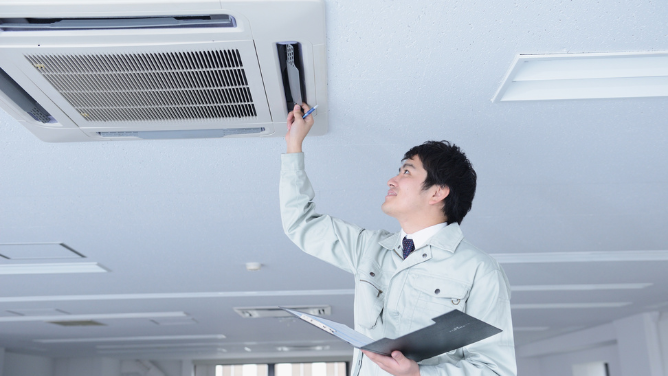
Ready to Strengthen Your Property’s Safety Plan?
If you are unsure which inspections your building needs or want support organizing a complete annual safety schedule, BanCal can help. Our team works with San Francisco rental properties every day and understands the safety standards needed to keep homes compliant, secure, and well maintained.
Contact us today to learn how our team can support the long term health of your building. We are here to help you protect your property, support your tenants, and make ownership easier and more predictable.
Author - Kelli Smith