The Impact of Tech Companies in the San Francisco Rental Market
The impact of tech companies on the San Francisco rental market has been profound, reshaping the city's real estate landscape in multiple ways. With the rise of technology giants establishing headquarters and attracting a high concentration of top talent, the demand for housing has surged, leading to significant challenges and opportunities for renters, landlords, and real estate professionals in the city.

Booming Demand and Rising Rental Prices
San Francisco has long been known as a hub of innovation and creativity, drawing tech companies from all over the world to set up operations in the city. As a result, a massive influx of tech workers seeking employment opportunities has drastically increased the demand for rental housing in the region.
The high salaries have enabled tech workers to compete for rental spaces, often driving up prices and leaving limited affordable options for long-time residents. This surge in demand has contributed to the escalation of rent prices, making it increasingly difficult for individuals with more moderate incomes to secure affordable housing in the city.
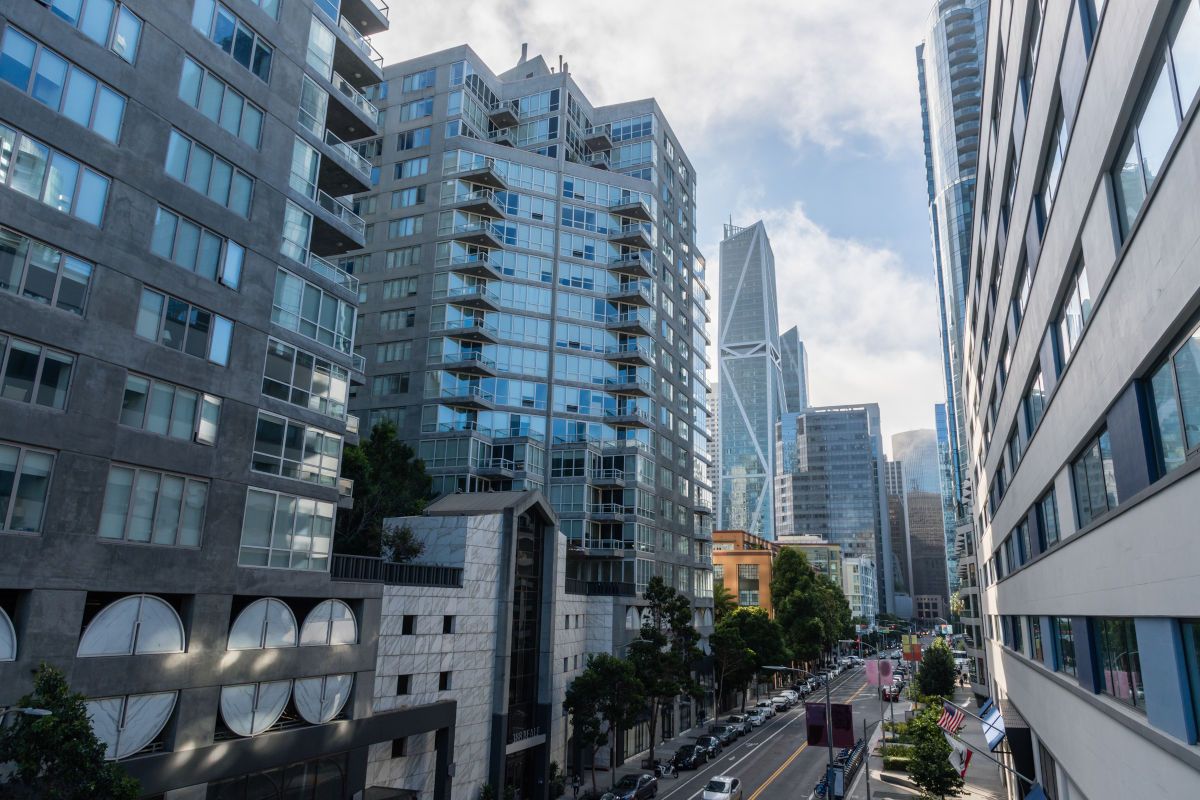
Furthermore, certain neighborhoods such as the Financial District, Presidio, and SOMA districts have experienced the most significant rent hikes due to their proximity to major tech company offices and the amenities they offer. This concentration of wealth and employment opportunities in specific areas has fueled the gentrification of these neighborhoods, leading to the displacement of long-term residents, and altering the sociodemographic composition of these communities.
Impact on Property Investors
The success and growth of tech companies in San Francisco have also profoundly impacted property investors and developers. The increasing demand for housing has led to a surge in real estate investments, prompting developers to create or upgrade residential spaces to cater to the rising need for rental properties. This, in turn, has spurred job growth and the proliferation of small businesses in the real estate sector.
As a result of the heightened demand, investors have shifted their focus towards developing high-end and luxury properties, equipped with modern, upgraded amenities tailored to the preferences of tech workers. These properties often command higher rents, contributing to the overall rise in rental prices in the city. Additionally, the scarcity of available housing has empowered landlords, giving them greater leverage in setting rental rates and lease terms.
Impact on Realtors
The arrival of tech companies has also transformed the dynamics of the real estate industry in San Francisco. Realtors face the challenge of catering to clients amidst intense competition for rental properties. Landlords, emboldened by high demand, have established stringent qualifications for prospective tenants, further narrowing the range of choices available to renters.
Moreover, the rental market in San Francisco has shifted in favor of landlords, leading to a seller's market where rental agreements often feature shorter lease terms and fewer concessions. Realtors must navigate these market conditions, working to meet the expectations of both landlords and tenants while managing the limited availability of rental properties.
Takeaway
In light of these developments, addressing the impact of tech companies on the rental market requires a multifaceted approach. Striking a balance between supporting the growth of the technology industry and ensuring the availability of affordable housing for all residents is crucial for the continued vibrancy and inclusivity of San Francisco.
Policy measures aimed at promoting the development of affordable housing units and establishing robust tenant protection laws can help mitigate the challenges renters face in the city. Additionally, sustainable urban development practices can contribute to creating a more equitable and accessible real estate market, addressing the needs of both current and prospective residents.

The influence of tech companies on the San Francisco rental market cannot be understated. While their presence has contributed to economic growth and urban development, it has also presented challenges in terms of housing affordability and community displacement. By proactively addressing these challenges through collaborative efforts involving policymakers, real estate professionals, and community stakeholders, it is possible to foster a rental market that is more equitable and inclusive, ensuring that all residents have the opportunity to thrive in the vibrant city of San Francisco.
At BanCal, we know that managing rental properties can be challenging. Our team is here to provide comprehensive support to property owners to effectively manage their rental properties. Contact us today to learn more about our services and how we support you in your journey.
Author - Kelli Smith