Tips to Keep Your Home (and Investment) Safe
Key Takeaways
- Proactive safety measures protect both your property value and tenant well-being.
- Simple upgrades like lighting, locks, and security systems can significantly reduce risk.
- Consistent screening, inspections, and tenant education help prevent issues before they arise.
Ever wonder what might be lurking in the shadows of your rental property? As a landlord, your peace of mind hinges on more than just monthly rent, it’s about protecting your investment and the people who live in it.
Safety isn’t just a feature, it’s a necessity. That’s why
BanCal Properties is here to help Bay Area rental property owners like you stay ahead of risks and secure your assets. Let’s dive into practical, actionable tips that will give you confidence and control over your property’s safety.
8 Essential Safety Strategies for Landlords to Protect Your Property and Investment
Keeping your rental safe isn’t just about peace of mind, it’s about safeguarding your financial future. These practical tips will help you minimize risks, deter threats, and ensure your property remains a secure and valuable asset for years to come:
1. Install a Robust Security System
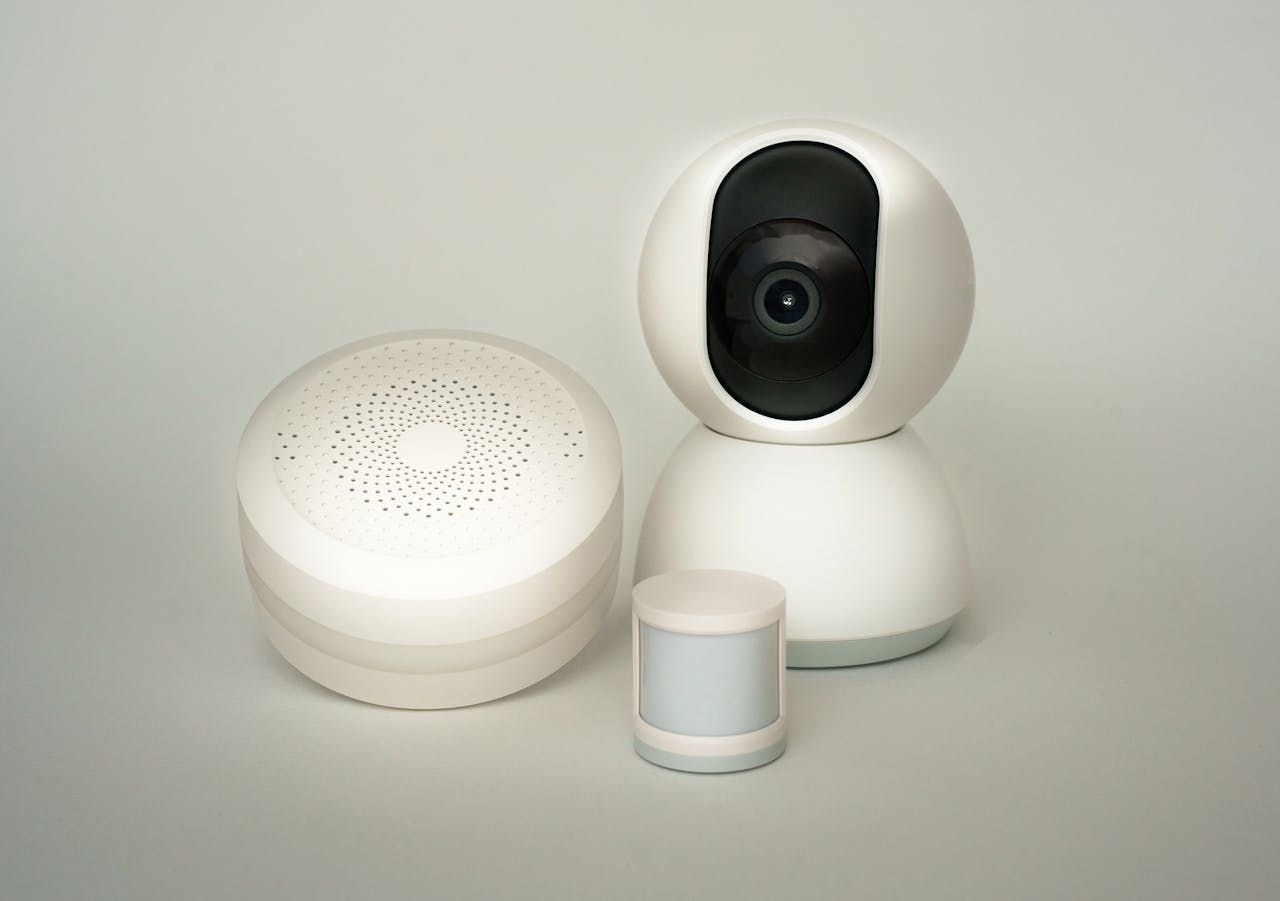
A reliable security system is one of the best ways to protect your property and give yourself peace of mind. For landlords in the Bay Area, where property values are high, having monitored alarms and cameras not only deters crime but also helps you keep an eye on things from afar. It’s a smart investment that safeguards your rental and your wallet.
Setting one up is easier than you think. Start by placing cameras at entry points and common areas. Choose systems with mobile alerts so you get instant notifications. Many local security companies offer quick installation, making it hassle-free to keep your Bay Area property secure without constant oversight.
2. Upgrade Lighting Around the Property
Good lighting is a simple yet powerful tool for safety. Well-lit outdoor areas make it harder for intruders to go unnoticed, which is especially important in busy Bay Area neighborhoods where foot traffic and visibility matter. It also helps your tenants feel safer coming home at night, boosting their satisfaction and retention.
Focus on entryways, walkways, and parking spots. Use motion-sensor lights to save energy while keeping watch after dark. For a polished look, consider modern
LED fixtures that brighten up the space without adding to your electricity bill. Small upgrades make a big difference in security appeal.
3. Strengthen Entry Points
Your doors and windows are the first line of defense. Weak locks or old frames can invite trouble, which is the last thing any Bay Area landlord wants. Reinforcing these entry points not only protects your property from break-ins but also sends a clear message that your building is well cared for and secure.
Start by upgrading to deadbolt locks with at least a one-inch throw. Add strike plates secured with long screws. Sliding doors need bars or locks, and windows should have pins or locks too. These affordable changes make a huge impact on safety and give you greater peace of mind.
4. Maintain Landscaping Strategically
Overgrown shrubs and dark corners can hide trouble, which is why smart landscaping is key for rental safety. In the Bay Area, where weather supports year-round growth, keeping your property neat and visible not only looks good but also discourages unwanted visitors. It’s a subtle way to show you’re attentive to detail.

Trim trees and bushes near windows and doors to eliminate hiding spots. Use gravel or stone pathways near entrances to make footsteps audible. Regular upkeep, like seasonal pruning, keeps your property looking sharp while making it harder for anyone to slip by unnoticed.
5. Screen Tenants Thoroughly
Tenant screening is one of the most important steps you can take to protect your property. A thorough background check helps you find reliable tenants who pay on time and respect your space. In a competitive market like the Bay Area, being selective now saves you headaches and costly renovations down the road.
Start by running credit, eviction, and criminal history checks. Call previous landlords to ask about their rental behavior. Consistent income and good references are strong indicators of a responsible tenant. Taking time here means fewer surprises later.
6. Conduct Regular Property Inspections
Regular inspections help you catch issues early, from maintenance problems to signs of unauthorized activity. They also show tenants that you’re engaged in property care, encouraging them to report problems promptly. For Bay Area landlords, staying on top of upkeep preserves your property’s value and avoids bigger expenses later.
Schedule inspections every 6–12 months, with proper notice. Check locks, alarms, and smoke detectors. Look for water leaks or pest signs. Document everything and address issues quickly. This proactive approach keeps your property safe and your tenants happy.
7. Secure Outdoor Areas and Storage
Outdoor spaces and storage units are often overlooked but can be easy targets for theft or vandalism. Securing these areas protects your property and gives your tenants peace of mind. In the Bay Area, where space is limited, making sure sheds, garages, and storage areas are locked up is especially important.
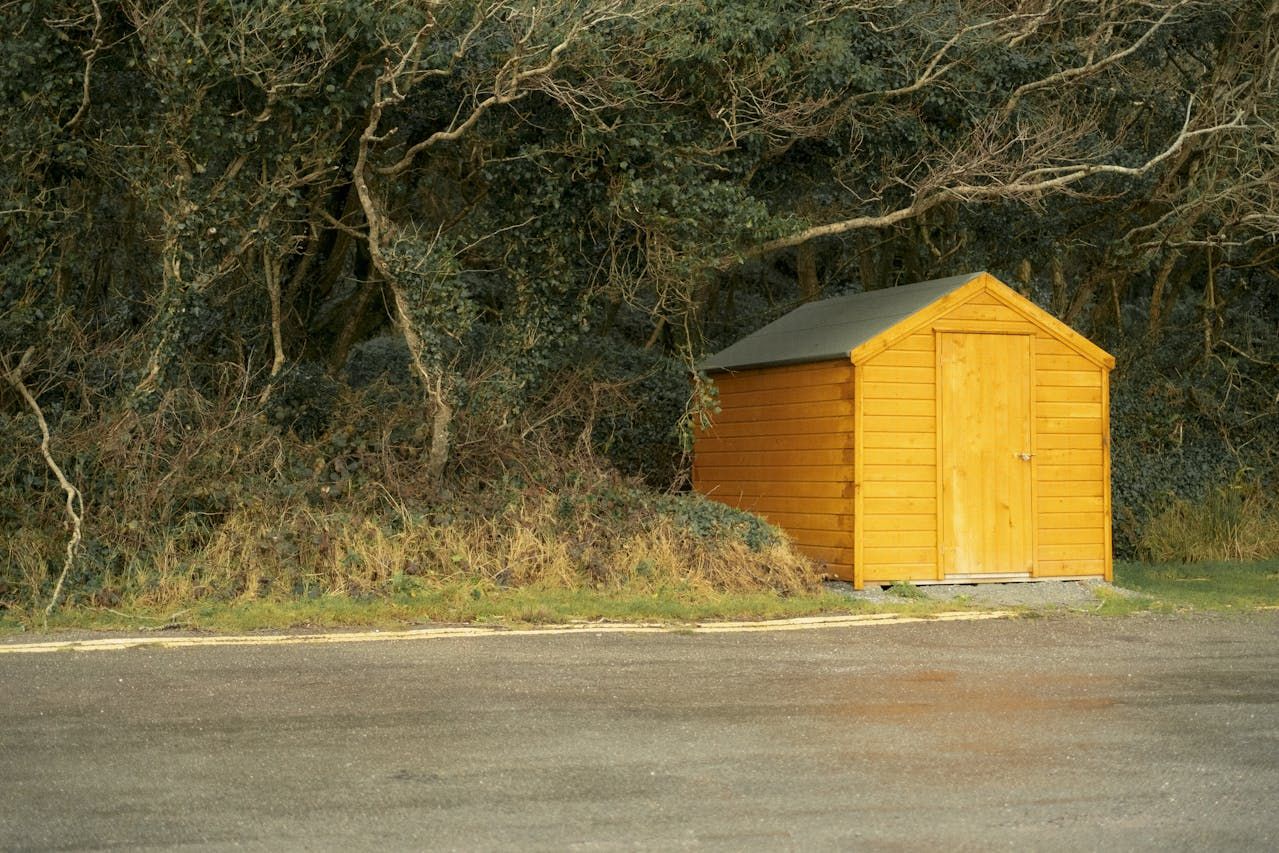
Install heavy-duty locks on sheds and garages. Use motion-sensor lights to deter intruders. Label valuables and consider adding a small security camera. Taking these steps ensures your outdoor areas stay safe and your investment stays protected.
8. Educate Tenants on Safety Practices
Your tenants play a big role in keeping your property safe. Educating them on basic safety practices, like locking doors, not sharing access codes, and reporting suspicious activity, adds another layer of protection. In the Bay Area, where community safety varies, informed tenants help maintain a secure environment.
Provide a simple safety guide during move-in. Remind them to keep gates closed and
package deliveries secure. Encourage them to report any unusual activity right away. Working together with your tenants helps prevent problems before they start.
Bottom Line
When it comes to protecting your Bay Area rental, you shouldn’t have to go it alone. At BanCal Properties, we specialize in proactive security strategies tailored to your property’s unique needs.
From advanced security installations to tenant safety education, we handle the details so you can enjoy peace of mind. Let’s discuss which safety solutions fit best with your investment goals. Reach out today to explore how we can help safeguard your home, and your bottom line.
Author - Kelli Smith