
How To Minimize Vacancy Rates In Your Rental Properties
Key Takeaways
- Tenant retention is the most effective way to reduce vacancy. Strong communication, responsive maintenance, and a positive resident experience encourage long-term renewals.
- Early planning shortens vacancy timelines. Starting renewal discussions early and marketing units effectively helps minimize downtime between tenants.
- Consistent property management protects occupancy. Well-maintained homes, strategic rent adjustments, and careful tenant screening help keep units filled with reliable residents.
Vacancy is one of the most costly challenges in rental property ownership. An empty unit does more than pause rent collection, it also brings turnover costs, marketing expenses, and downtime while a new tenant is secured.
In high-demand markets like the San Francisco Bay Area, strong renter demand can help, but it does not guarantee consistent occupancy. Properties remain filled when owners manage the tenant experience well, maintain reliable systems, and present units effectively.
Reducing vacancy is less about reacting to empty units and more about creating a management approach that keeps residents satisfied while shortening leasing timelines. These strategies byBanCal Properties can help property owners maintain steady occupancy and protect long-term returns.
Treat Retention as a Financial Strategy
Many landlords focus on marketing and tenant acquisition, but the most effective way to reduce vacancy is keeping good tenants longer.
Replacing a resident requires cleaning, repairs, advertising, screening, and lease processing, and even efficient turnovers can leave a unit empty for weeks. Renewing a lease, by comparison, requires far less effort and avoids the disruption of turnover.
Tenants are more likely to stay when the property is well managed and their concerns are addressed promptly. Clear communication, consistent policies, and reliable
maintenance responses encourage residents to renew.
Make the First Weeks Count
A tenant’s impression of a property often forms within the first few days after move-in. If the process feels rushed or disorganized, renters may begin their lease with doubts about management quality.
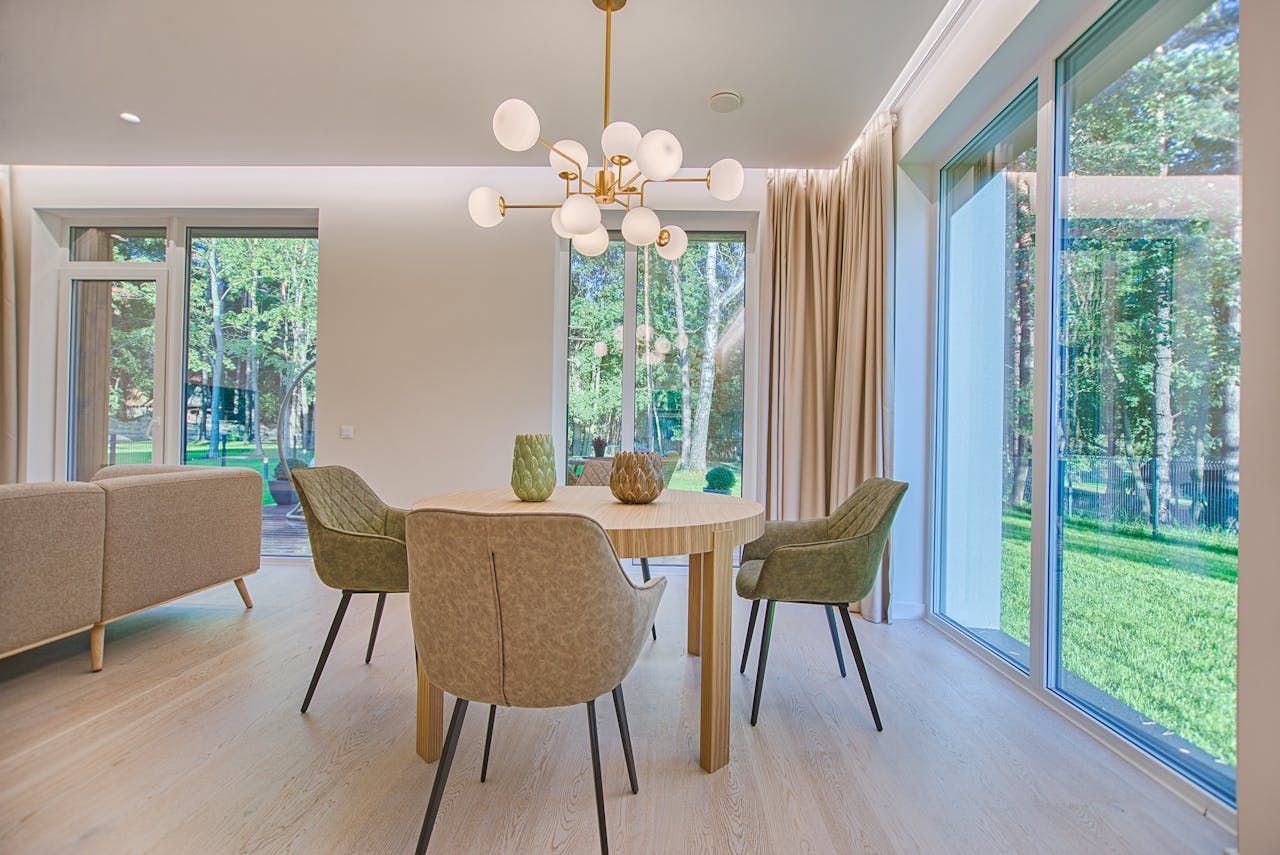
Preparing the unit thoroughly before move-in helps set the tone. Appliances should work properly, fixtures should be secure, and the home should be clean and presentable.
Providing a simple move-in guide with information on utilities, maintenance requests, and property rules also helps residents settle in quickly and feel confident about management.
Maintenance Speed Matters More Than Perfection
Few issues push tenants toward moving out faster than slow maintenance responses. While repairs may take time, renters expect prompt attention.
A clear system for reporting issues, such as an online portal, email, or phone line, makes it easier for tenants to request help. Regular updates during the repair process also help residents feel informed.
Consistent responsiveness reinforces the sense that the property is well managed and encourages tenants to stay longer.
Solve Root Problems, Not Just Symptoms
Recurring maintenance complaints often signal deeper issues. Persistent plumbing problems, uneven heating or cooling, and repeated pest concerns can frustrate tenants and increase the risk of non-renewal.
Instead of repeatedly addressing symptoms, landlords benefit from resolving the underlying cause. Improvements such as better insulation or corrected drainage can prevent recurring problems. Addressing these root issues improves tenant comfort while reducing long-term maintenance costs.
Offer Smart Renewal Incentives
Encouraging lease renewals does not require large financial concessions. Small incentives can make tenants feel appreciated and influence their decision to stay.
Examples include professional carpet cleaning, minor appliance upgrades, or a modest rent credit. Some landlords also offer simple improvements such as upgraded lighting or fresh paint for renewing residents.
These gestures strengthen tenant relationships while helping owners avoid the greater costs associated with turnover.
Approach Rent Adjustments Strategically
Rent increases may be necessary as market conditions change, but large adjustments can unintentionally create vacancies.
If tenants view the increase as unreasonable compared with nearby listings, they may begin searching for other housing options. Losing a reliable tenant can quickly outweigh the benefit of higher rent.
Reviewing comparable properties and considering tenant reliability can help landlords balance profitability with long-term retention.
Begin Lease Renewal Discussions Early
Timing plays an important role in vacancy prevention. Waiting until the final weeks of a lease agreement to discuss renewal can limit options for both landlords and tenants.
Starting conversations 60 to 90 days before lease expiration allows owners to address concerns and present renewal terms early.
If tenants decide not to stay, the additional time allows landlords to begin marketing the property while it is still occupied, reducing downtime between leases.
Improve Listing Visibility
When vacancies occur, effective marketing becomes essential. Rental listings should highlight features that renters value most, such as natural lighting, updated appliances, storage space, and convenient access to transportation or employment centers.
High-quality photos and video tours can significantly increase engagement, while clear descriptions help prospective tenants imagine daily life in the home. Posting listings across multiple rental platforms also expands exposure and attracts qualified applicants more quickly.
In competitive markets, strong presentation and visibility often determine how quickly a unit is leased.
Screen Tenants With Long-Term Stability in Mind
Not every qualified applicant will become a long-term tenant. Screening should focus on identifying renters with financial reliability and a stable rental history.
Reviewing employment consistency, credit records, and previous landlord references helps property owners select applicants who are more likely to fulfill lease obligations and remain in place.
Reliable tenants who pay rent consistently and care for the property contribute to a stable rental environment and reduce the risk of unexpected vacancies.
Keep Vacant Units Ready for Showings
When a property becomes vacant, presentation can strongly influence how quickly it rents. Units that appear neglected or poorly maintained often stay on the market longer.
Keeping the property clean, well-lit, and accessible for showings helps maintain a positive impression. Routine checks during vacancy periods also ensure
landscaping, lighting, and climate systems remain in good condition. Well-prepared units tend to attract stronger applicants and shorter vacancy periods.
Final Thoughts
Reducing vacancy rarely comes from a single strategy. It results from consistent management that prioritizes tenant satisfaction, strong marketing, and efficient operations.
Landlords who maintain their properties well, communicate clearly, and respond quickly to issues often see higher renewal rates and more stable rental income. When vacancies occur, effective marketing and careful tenant screening help ensure units are filled quickly with reliable residents.
Managing tenants, vacancies, and maintenance can be demanding. A professional property management team helps keep your rental occupied and your investment protected. If you own rental property in the San Francisco Bay Area, contact
BanCal Properties today.
Author - Kelli Smith